
Sports in crisis: We need to act now
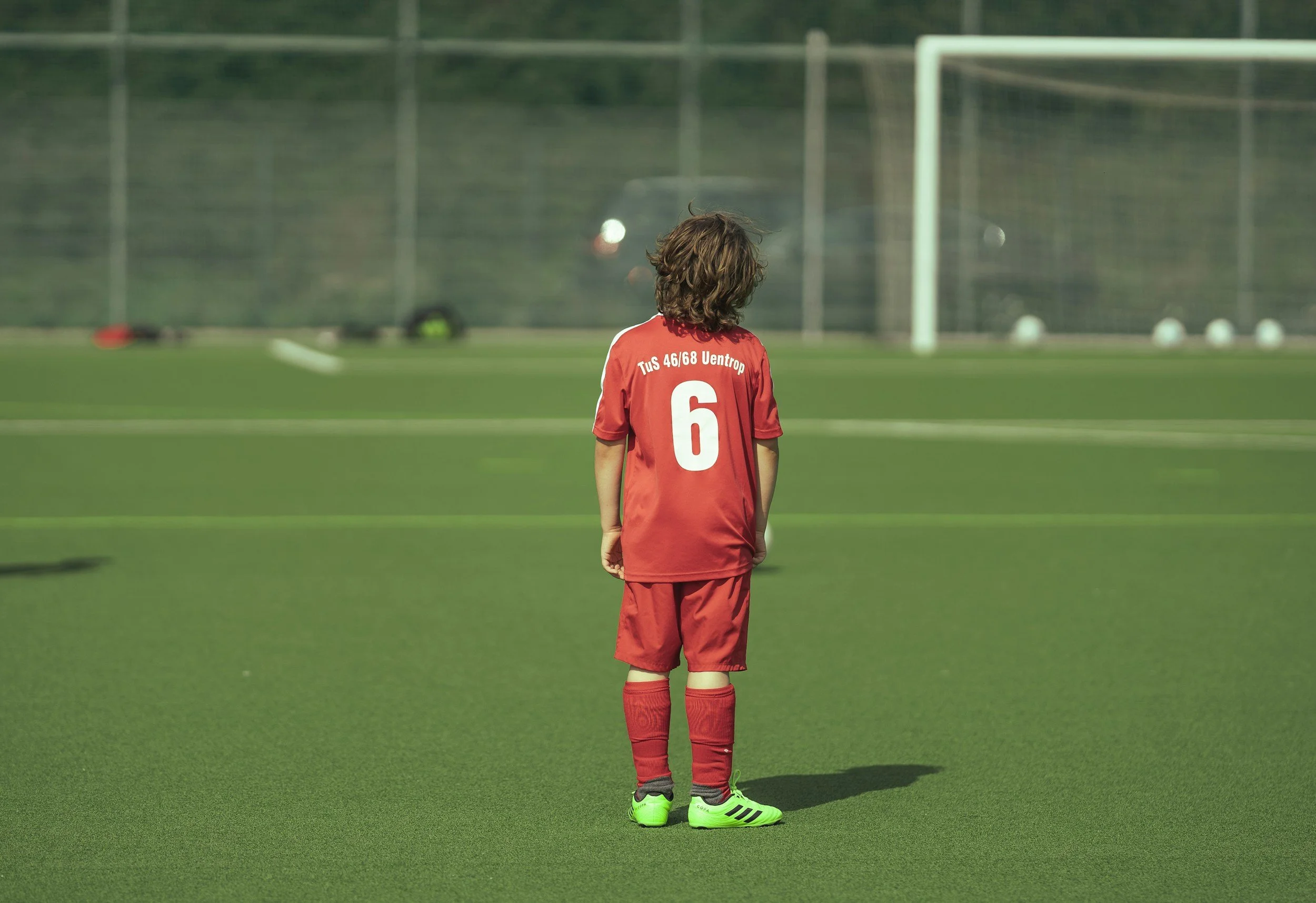
We Have A Major Issue – We Are Not Doing Well
Fall is here, and sports programs are starting up. I had hoped to share better news, but my latest research on sports participation isn't encouraging. We are at a critical stage and need swift action, not talk, congresses, or symposiums.
Why is this so Critical? We need a dire Change!
Data from several decades ago show that the dropout rate from organized sports was about 73%, with girls having a higher attrition rate. The average age for both boys and girls was 12-13 years. There has been much talk, but very little has changed. We are still holding symposia and congresses, and doing more talking. The current statistics are down somewhat, with a 70% dropout rate, but this is not a successful change, as children are more inactive, overweight, and obese!
In addition, many elementary and junior high schools lack physical education classes and trained professionals. As a result, children and youth have fewer movement and sports skills. This means they enter sports less fit and less skilled than in past decades, and sports programs are their only opportunity to improve their fitness and physical literacy.
Furthermore, children and youth in low-income families often cannot afford to participate in sports programs because they are expensive, depriving them of the opportunity to excel in sports as living expenses take priority and driving many to turn to gang activities in inner cities. Moreover, new immigrants are not necessarily motivated to participate in sports due to gender or religious ideologies, especially for girls, which keeps them from participating in sports. It is unclear whether this situation can change because of a lack of, or refusal to, assimilate into their chosen new country.
USA: In the USA, about 70% of children drop out of organized sports by age 13, largely because they lose interest, face increasing pressure, and/or have over-scheduled calendars. A 1990 research study titled "American Youth and Sports Participation," conducted by the Athletic Footwear Association (AFA) in conjunction with researchers from Michigan State University, used a massive national data collection project with 10,000 young people across 11 U.S. cities to establish core data on why kids participate in sports and why they drop out (with "lack of fun" ranking as the number one reason). [Canada: 1] Note on the "70% by age 13" statistic: While the study clearly showed that participation drops sharply and that lack of fun is the main driver, the specific "70% dropout rate by age 13" figure was later popularized by groups like the National Alliance for Youth Sports (NAYS). Investigative sports journalism has noted that this precise percentage has been cited for decades across sports organizations as a widespread industry benchmark rather than originating from a single published year.
Canada: The results are not good. Rates have remained largely unchanged from 2018 to 2019, the last year data were collected. Youth sports attrition mirrors global trends, with roughly one in three children dropping out of organized sports by late adolescence, a trend that accelerates sharply between ages 12 and 17.
The 1-in-5 Rule for Girls: Canada's comprehensive Rally Report reveals that more than 1 in 5 girls leave organized sports entirely during adolescence. By age 16, a staggering 50% of Canadian girls no longer participate in weekly sports. Canadian children and youth generally receive a "D" or "D+" grade for their overall physical activity levels in national report cards.
Canada’s Physical Activity Report Card Grades:
Overall Grade: ParticipACTION report cards regularly score Canadian kids a D or D-plus for failing to meet daily movement targets.
Daily Guidelines: Only about 35% to 44% of Canadian children and youth (ages 5 to 17) meet the national recommendation of getting at least 60 minutes of moderate-to-vigorous physical activity per day.
Younger Children: Preschoolers (ages 3 to 4) do much better, with about 91% meeting their recommended daily movement guidelines.
Teens: Adolescents (ages 12 to 17) are the least active group, with recent Statistics Canada data showing only about 21% meeting activity targets. [1]
More alarmingly, a newer Canadian study raised concerns about physical activity rates among youth ages 12 to 17. In 2018-2019, they already had the lowest physical activity rates of any age group, with 36% meeting the recommendations. By 2022-2024, this had dropped to 21%. This represents a 15 percentage-point decline in the share of Canadian youth ages 12-17 meeting the physical activity recommendations. The results are even starker when broken down by gender. The gender gap is seen across all age groups.
David Thibodeau is a Canadian sports advocate, public policy professional, and former competitive swimmer. In health surveys, he is known for analyzing and writing about public health data. Most notably, he published a breakdown of Statistics Canada’s Canadian Health Measures Survey (CHMS). Thibodeau highlighted alarming trends regarding physical activity from the data collected: [1]
Children and Preschoolers: The survey showed that 52% of children aged 5 to 11 and 91% of preschoolers aged 3 to 4 met the recommended guidelines, with males at 66% and females at 37%. Numbers have remained mostly stagnant. [1]
Youth Decliners: The most significant drop occurred among youth aged 12 to 17. In the 2018–2019 survey cycle, 36% (males 33%, females 8% met recommended guidelines, but that number plunged to just 21%. [1] Thibodeau uses this data through platforms like Sports for Social Impact to advocate for structural changes in Canadian youth sports and physical literacy. [1] Ken King, Executive Director of Calgary Minor Basketball, former University Basketball coach, and author of “Pyramid Scheme: How Sport became an Empire. Why it is collapsing and How to rebuild the game,” has this to say:
…Kids leave organized sport in a wave at age 13, and we call it dropout as if the failure wer theirs. Canada’s national sport lost a third of it registered kids over the same years it kept winning gold… (Calgary Herald, p. A6, September 22, 2026).
Given the data and results, it does not ‘paint a pretty picture’ for us in the coaching/teaching domain. In fact, I propose that we have failed miserably! The profession continues to promote the ‘physical literacy’ hype, yet changes are not evident! We have to critically examine how we coach, what we teach, and how we make skill learning, teaching, and coaching more FUN and effective to motivate children to engage in sports activities and help them remain involved! We have to realize that not everyone learns at the same rate or speed, that children are individuals, not mass-produced in the pool (because it is easier that way), and that we need to be much more creative in our coaching approach. The main reason for sports dropout is still: “It is no longer Fun,” which has been the same reason listed for decades! Are we not listening?
Besides loss of enjoyment, adult pressure to ‘win at all costs,’ in which children are treated like professional athletes, early specialization, and year-round training have led to burnout and dropout!
Loss of Enjoyment: Sports stop feeling like a game and start feeling like a job.
Adult Pressure: Excessive pressure from coaches and parents replaces positive reinforcement.
Burnout and Specialization: Early pressure to specialize in a single sport leads to physical and mental fatigue.
Reason Swimmers Quit:
The data doesn't look too encouraging! Ninety Percent of swimmers leave the competitive sport in their teen years.
Reference:
Reddit r/swimming. u/Mad_swimm_coach
Thomas Meeks, the swim coach and entrepreneur behind SwimWarrior, which developed SWIMMER RETENTION, says club teams ‘bleed’ swimmers at a rate of 35% year after year. Keeping swimmers engaged can be a hurdle. According to a review published in Determinants and Reasons for Dropout in Swimming via PMC and insights from SwimSwam, swimming's unique demands accelerate burnout more quickly than in field-based sports [1, 2].
Aggressive Training Volumes: Moving from seasonal or summer recreation to a year-round club team requires massive time commitments. The endless black line, heavy focus on repetitive drilling, and intense early-morning schedules cause rapid mental fatigue and a "loss of fun". [1, 2, 3]
The Post-Puberty Performance Plateau: Physical maturation changes a swimmer's morphology. When adolescent swimmers temporarily stop dropping time or plateau due to puberty, a perceived lack of competence or failure to improve" drives them to quit.
Lack of Social Interactivity: Because swimming is a highly individualized, sensory-deprived sport (goggles on, face in the water), athletes report feeling isolated when coaches fail to intentionally build a team-centric culture or provide adequate one-on-one positive encouragement. [1, 2]
At the youth level, swimming is heavily results-focused: times, splits, rankings, medals, qualifying standards, team points, and PBs (Personal Best times). There’s no shortage of ways to compare – heat sheets, seedings, competitors, teammates, and rankings. There’s nothing wrong with that. The problem arises when swimmers get so wrapped up in the outcome that every practice feels like a daily verdict on whether they’ll achieve their goals, and training then becomes a stressful job.
In the German system, I succeeded as an athlete in several sports: swimming, athletics, and movement education/recreational gymnastics. These were priorities, with a focus on general athleticism, i.e., physical activity and “Sport for All” [Sport für Alle]. German physical education and sports were founded by educators and philosophers during the 1800-1900s, whereas German pedagogue Friedrich Wilhelm Fröbel (1782-1852), the father of the modern Kindergarten, advocated:
… Children are precious flowers and trees … when not watered carefully … they will die…
We need to correct our shortcomings, flaws, frailty, and deficiencies in our current system. This may mean reforming, changing, or correcting programs and coaching approaches. We need to revive, i.e., bring Fun and motivation back to life through excellent teaching and coaching, because we are losing athletes to other sports, such as soccer, which seems to be becoming more attractive to parents, children, and youth. It is critical that we improve, i.e., make the current system better than it has been, and fix or rebuild, because we are failing future generations of children and youth.
References:
Difernand, A., Mallet, A., De Lachorelambert, Q., Pla, R., Marc, A., Barlier. K., Antero, J., Toussaint, J-F., & Sedeaud, A. (2025, March 4). A survival analysis of dropout among French swimmers. NIH. National Library of Medicine. National Center for Biotechnology Information. Front. Sports Act. Living, 2025
Mar 5:7:1509306. doi: 10.3389/fspor.2025.1509306. eCollection 2025.
Engle, J. (2019, May 1). Are youth sports too competitive? The New York Times. The Learning Network. Retrieved September 30, 2019, from https://www.nytimes.com/2019/05/01/learning/are-youth-sports-too-competitive.html
Fraser-Thomas, J., Côté, & Deakin, J. (208). Understanding dropout and prolonged engagement in adolescent competitive sport. Psychology of Sport and Exercise 9 (2008), 645–662. School of Kinesiology and Health Science, York University, Norman Bethune College, Toronto, Ont., Canada M3J 1P3.
Gould, D., & Petlichkoff, L. (1988). Participation and attrition in young athletes. In F.L. Smoll, R.A. Magill, & M.J. Ash (Eds.). Children in Sport (3rd ed.), (pp. 161-178). Champaign, IL: Human Kinetics.
Gould, D., Feltz, D., Horn, T., & Weiss, M. (1982). Reasons for attrition in competitive youth swimming. Journal of Sport Behavior, 5(3), 155-165. September.
Hedstrom, R., & Gould, D. (2004). Research in youth sports: Critical issues status. White Paper summary of the existing literature. Institute for the Study of Youth Sports. East Lansing, MI: Michigan State University. Retrieved October 19, 2019, from https://hollistonsoccer.org/wp-content/uploads/2014/05/CriticalIssuesYouthSports-2.pdf
Hochin, C., & Johnson, H. (2026, February 6). Why swimming is struggling to compete with other youth sports. Swimmingly. YouTube.
Jones, A.M. (2019, October 21). 4 out of 5 teens aren’t getting enough physical activity in Canada. CBC News. Posted: Oct 21, 2019.
Meeks, T., & Tibodeau, D. (2024, September 17), Swimmer Retention. Founder & CEO of Swim Warrior, from https://swimswam.com/swimwarrior-launches-free-engagement-platform-to-combat-high-competitive-swimming-dropout-rate/
Miner, J. (2016, June 1). Why 70 percent of kids quit sports by age 13. Washington Post. Parenting.
Monteiro, D., Cid, L., Almeida Marinho, D., Moutão, J., Vitorino, A., & Bento, T. (2017). Determinants and Reasons for Dropout in Swimming – Systematic Review. Sports, July 10, 5(3), 3-13. NIH. National Library of Medicine. Sports (Basel). DOI: 10.3390/sports5030050.
Neefs, J. (2016, June 28). Kids quitting sports: What’s behind the startling statistics. Retrieved September 30, 2019, from https://activeforlife.com/kids-quitting-sports-stats/
O’Sullivan, J. (2017). Why kids play sports. Changing the Game Project. Problems in Youth Sports. January 9. Retrieved October 21, 2019, from https://changingthegameproject.com/kids-play-sports/
O’Sullivan, J. (2015). Why kids quit sports. Changing the Game Project. Coaching, Problems in Youth Sports, Sports Parenting. Retrieved October 21, 2019, from https://changingthegameproject.com/why-kids-quit-sports/
Petlichkoff, L.M. (1992). Youth sport participation and withdrawal: Is it simply a matter of FUN? Pediatric Exercise Science, 4(2), 105-110. Retrieved October 19, 2019, from https://journals.humankinetics.com/view/journals/pes/4/2/article-p105.xml
Reddit r/swimming. u/Mad_swimm_coach (n.d.). 90% of swimmers leave the competitive sport of swimming in their teen years.
Salguero, A., Gonzales-Boto, R., Tuero-del-Prado, C., & Márquez, S. (2003). Identification of dropout reasons in young competitive swimmers. The Journal of Sports Medicine and Physical Fitness, 43(4), 530-534. December.
Schloder, M.E. (2025, October 30). Why Are Tweens Leaving Youth Sports? Part I. Parents/Youth Sports. Children and youth are not professional athletes or miniature adults. Calgary, Alberta, Canada: www.coachingbest.com
Schloder, M.E. (2006). Children and parents in sport. Lecture Series. Sociology of Sport, Calgary, AB, Canada. University of Calgary.
Weiss, M.R., & Petlichkoff, L.M. (1989). Pediatric Exercise Science, 1(3), 195-211. Children’s motivation for participation in and withdrawal from sport: Identifying the missing links. DOI: https://doi.org/10.1123/pes.1.3.195.
Retrieved October 19, 2019, from https://journals.humankinetics.com/view/journals/pes/1/3/article-p195.xml
Yang, A. (2025). A Survival Analysis of Adolescent Dropout in Swimming
Proceedings of the 7th International Conference on Statistics: Theory and Applications (ICSTA'25). Paris, France - August, 2025. Paper No. 125. DOI: 10.11159/icsta25.125. Charlotte Country Day School, Charlotte, NC, USA ayang26@charlottecountryday.org
Zentner, C., & Mann, M. (Eds.). (2014). Shifting perspectives: Transition from coach-centered to athletes’ challenges faced by a coach and athlete. The Journal of Athlete Centered Coaching, 1(2). October 1. Denton, TX: Summit Edu Publishing. Retrieved October 22, 2019, from https://www.researchgate.net/publication/266319243_Shifting_perspectives_Transitioning_from_coach_centred_to_athlete_centred_-_challenges_faced_by_a_coach_and_athlete